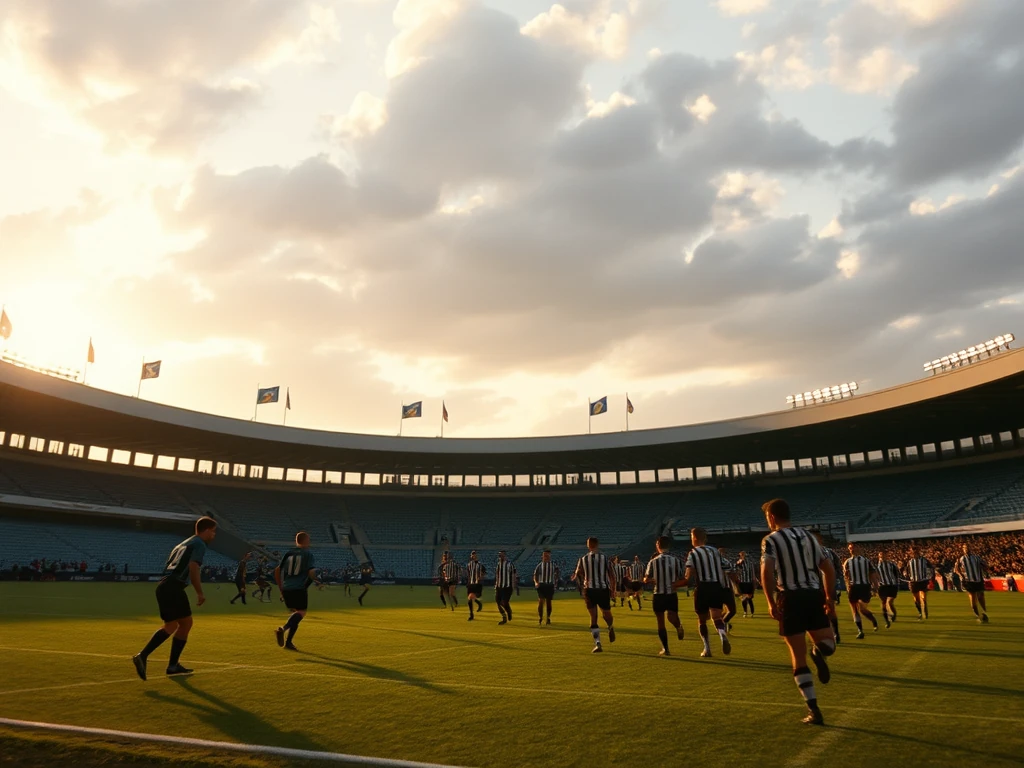
The 1950s were a major period for Port Vale, a time when the club began to shape its identity and ambitions amidst the changing landscape of English football. After a challenging post-war era, the decade opened with a renewed sense of purpose, making the most of a burgeoning fan base eager for success and stability.
In the early 1950s, Port Vale found itself in the Third Division North. Despite not being in the top tier, the club's leadership was determined to elevate its status. The appointment of manager Freddie Steele in 1953 marked the beginning of a significant shift. Steele, a former player for the club, brought with him a wealth of experience and a clear vision for the future. His arrival ignited hope among the fans and players alike, as he implemented tactical changes that would redefine the team's playing style.
One of Steele's notable achievements was his shrewd recruitment, which brought in talented players who would become club legends. Among them was the electric forward, Roy Sproson, who would go on to make an extraordinary 600 appearances for Port Vale, becoming a symbol of loyalty and dedication. Sproson's dynamic play and leadership on the pitch galvanized the team, while his connection with the supporters deepened the bond between the club and its community.
The 1954-55 season saw Port Vale make meaningful strides, finishing in a commendable mid-table position. The team's performances began to attract attention, and the supporters filled the stadium with palpable enthusiasm, creating an electric atmosphere that made Burslem a fortress. The club's ambition was clear; they were not content to languish in the lower divisions but were determined to rise through the ranks.
However, the decade was not without its challenges. The club faced financial difficulties, as many clubs did during this time, which threatened to derail their ambitions. Yet, the resilience of the club and its supporters shone through. The fans rallied together during tough times.
The latter part of the decade was marked by significant achievements, including the club's participation in the FA Cup. The Valiants made a notable run in the competition. These matches captured the imagination of the fans and highlighted the potential within the squad. The resilience and fighting spirit displayed during these cup runs laid the groundwork for future successes.
By the end of the 1950s, Port Vale was on the cusp of something greater. The foundations laid during this decade prepared the club for the challenges that lay ahead, including a future promotion to the Second Division in the early 1960s. The ambitions of the 1950s would resonate through the years, reminding everyone associated with the club that Port Vale was more than just a football team; it was a community united by its dreams and aspirations.
In reflection, the 1950s were a decade of ambition for Port Vale, a time that shaped the club's future and solidified its place in the hearts of its supporters. As the Valiants continue to handle the complexities of modern football, the spirit of that decade remains a sign of the resilience and passion that define Port Vale.